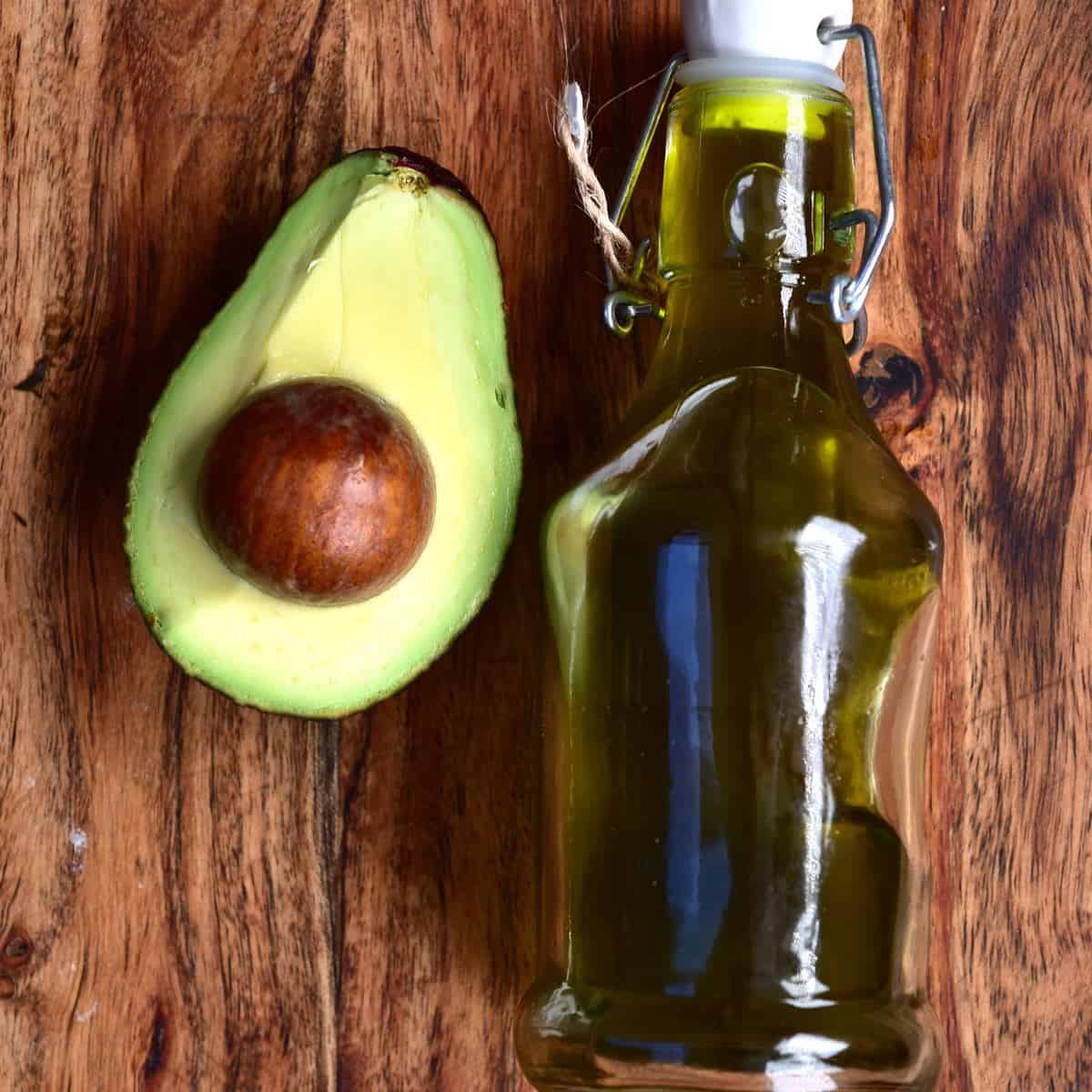
Crafting Your Own Pure Avocado Oil: A Journey to Unrefined Goodness
Imagine drizzling a rich, emerald-hued oil over your salad, knowing it came straight from your kitchen, free from any hidden additives or questionable processing. This isn't just a fantasy; it's entirely achievable when you learn
how to make avocado oil extra virgin right in your own home. Forget the industrial labels and the long list of unpronounceable ingredients; this guide will empower you to create a truly pure, unrefined "green gold" that's perfect for everything from gourmet cooking to luxurious beauty treatments.
Why Embrace Homemade Unrefined Avocado Oil? The Purity Advantage
In an age where transparency in food production is increasingly valued, taking control of your pantry staples offers immense satisfaction and tangible benefits. Commercial avocado oils, while convenient, can sometimes undergo extensive refining processes or even be blended with other, cheaper oils. When you choose to make your own, you're not just creating a product; you're cultivating peace of mind.
The Allure of Purity and No Additives
The primary motivation for many DIY enthusiasts, ourselves included, is the desire for unadulterated purity. Learning
how to make avocado oil extra virgin at home guarantees that your oil contains nothing but the essence of avocado. This means:
- No Unwanted Chemicals: You avoid the use of harsh solvents or chemical treatments often employed in conventional oil extraction.
- Preservative-Free: Your oil won't contain synthetic preservatives designed to extend shelf life artificially.
- Unrefined Goodness: By utilizing a gentle, low-heat method, you preserve the delicate nutrients, antioxidants, and rich flavor profile that make avocado oil so beneficial. This ensures you're enjoying a truly 'extra virgin' quality product.
This commitment to purity translates directly into a healthier, more flavorful product for your culinary creations and a more natural ingredient for your personal care routines.
A Sustainable Choice: Repurposing Overripe Avocados
We've all been there: a bag of beautiful avocados ripens all at once, or perhaps you bought a few too many, and suddenly you have a handful of perfectly good, albeit soft, avocados teetering on the brink of being composted. This is where the magic of homemade avocado oil truly shines as a sustainable practice. Instead of letting those overripe fruits go to waste, you can transform them into a valuable commodity. This not only reduces food waste but also makes the process more cost-effective if you're working with avocados you might otherwise discard. For more creative ideas on utilizing these precious fruits, consider exploring how to
Repurpose Overripe Avocados: DIY Extra Virgin Oil at Home.
Unlocking Versatility: Beyond the Kitchen
While many initially consider homemade avocado oil for its culinary applications—its high smoke point makes it excellent for frying, sautéing, and roasting—its uses extend far beyond the kitchen.
- Cooking and Frying: A healthy fat choice for high-heat cooking.
- Salad Dressings: Adds a rich, mild flavor and silky texture.
- Hair Care: Deeply moisturizing for dry, brittle hair, promoting shine and reducing frizz.
- Skincare: A natural moisturizer, rich in vitamins E and C, known for skin-calming properties. Use it in homemade lotions, balms, or simply as a direct application.
- DIY Projects: A fantastic base for natural soaps, scrubs, and other homemade personal care items.
Decoding "Extra Virgin" for Home Production
The term "extra virgin" is widely recognized for olive oil, signifying minimal processing and a pure, unrefined product with specific quality standards. For avocado oil, while there isn't an identical regulatory body for home production, the principle remains the same: extracting the oil without the use of high heat or chemical solvents.
Our home method for
how to make avocado oil extra virgin employs a "cold process" approach. This means that throughout the entire extraction, the temperature is kept low—ideally below 40°C (104°F). This gentle handling is crucial because high heat can degrade the delicate fatty acids, vitamins, and antioxidants present in the avocado, diminishing the oil's nutritional value and its characteristic mild, buttery flavor. By avoiding excessive heat, you ensure that your homemade avocado oil retains its natural integrity, mirroring the quality of commercially cold-pressed, unrefined oils.
Your Step-by-Step Guide: How to Make Avocado Oil Extra Virgin at Home
This process requires patience, but the steps are surprisingly straightforward and don't demand any specialized, expensive equipment.
Step 1: Selecting and Preparing Your Avocados
The journey begins with the right avocados. Opt for
ripe to overripe avocados. The softer they are, the easier they will be to mash, and often, the more oil they yield.
1.
Mash the Avocados: Slice your avocados in half, remove the pits, and scoop out the flesh. Your goal is to create a very smooth paste.
*
Hand Masher: This works, but aim for as few lumps as possible.
*
Blender or Food Processor: These machines will achieve the smoothest paste, which generally leads to more even drying and potentially a higher oil yield.
*
Tip: The smoother your paste, the more surface area will be exposed for drying, accelerating the process.
2.
Spread the Paste: Line several baking trays or large, flat surfaces with parchment paper. Spread the avocado paste thinly and evenly over the parchment paper. Aim for a thickness of no more than 1/2 inch (about 1.25 cm). Thicker layers will take significantly longer to dry and increase the risk of mold. If you have a lot of avocado, use multiple trays.
Step 2: The Critical Drying Process
This is perhaps the most crucial and time-consuming step in learning
how to make avocado oil extra virgin. Proper drying is essential to remove water content, which prevents spoilage and allows the oil to separate effectively.
1.
Natural Air Drying: Place your trays in a well-ventilated area, away from direct sunlight. Sunlight can degrade the oil. This process can take several days, depending on your climate and humidity levels.
*
Stir and Re-spread: To ensure even drying and prevent mold, you must stir and re-spread the paste at least twice a day (morning and evening). As the top layer darkens and dries, mix it with the moister paste underneath.
2.
Using a Dehydrator: For a faster and more controlled drying process, a dehydrator is an excellent tool.
*
Temperature Control is Key: Set your dehydrator to a low temperature, ideally *below 40°C (104°F)*. This keeps the oil "extra virgin" by avoiding heat damage.
*
Drying Time: This can still take 12-24 hours or more, depending on your machine and the thickness of the paste. Continue to stir and re-spread periodically.
3.
When is it Ready? The paste is adequately dry when it has turned a uniform *dark brown to almost black color* and feels brittle or crumbly to the touch. It should no longer feel moist or sticky. This indicates that most of the water has evaporated, concentrating the oil.
Step 3: Extracting Your Green Gold
Once your paste is thoroughly dried, it's time for the gratifying part: extracting the oil.
1.
Crush the Dried Paste: Break the dark, dried avocado paste into smaller, crumbly pieces. You can do this by hand or pulse it briefly in a food processor (be careful not to turn it into a powder). This helps to rupture any remaining cell walls and release the oil.
2.
The Squeeze: Place the crushed, dried paste into a fine-mesh bag, such as a cheesecloth, nut milk bag, or a clean, thin cotton cloth. Gather the edges of the cloth to form a bundle.
3.
Press and Collect: Now, using strong hands, start twisting and squeezing the bundle over a clean bowl or jar. You'll notice a dark, greenish-brown oil beginning to trickle out. Keep pressing firmly until no more oil can be extracted. You might be surprised by how much "green gold" emerges! Some people use a small fruit press or a sturdy potato ricer for more leverage, but hand-squeezing works for smaller batches.
4.
Filter (Optional but Recommended): For a cleaner oil, you can gently filter the extracted oil through a coffee filter or multiple layers of cheesecloth to remove any remaining tiny avocado solids.
Tips for Success and Storage
*
Patience is a Virtue: The drying process takes time. Rushing it can lead to mold or a poor yield.
*
Maximize Yield: Ensure your paste is spread very thinly and stirred frequently for optimal drying. The smoother the initial paste, the better.
*
Storage: Store your homemade extra virgin avocado oil in a clean, airtight, dark glass bottle in a cool, dark place. Light and heat can cause the oil to go rancid faster. Properly stored, it can last for several months. If you notice any off smells or flavors, it's best to discard it.
*
Troubleshooting: If your paste is taking an unusually long time to dry or starts to show fuzzy white or green spots, it means mold is forming, and you'll need to discard that batch. This usually indicates insufficient airflow or a layer that was too thick.
For a more detailed breakdown and visual aids for each step, consider checking out our comprehensive guide:
How to Make Extra Virgin Avocado Oil: A Cold Process Guide.
Conclusion
Learning
how to make avocado oil extra virgin at home is more than just a culinary experiment; it's a step towards self-sufficiency, sustainability, and a deeper appreciation for the foods we consume. While it demands a bit of time and effort, the reward of a truly pure, unrefined oil, free from any additives and made with your own hands, is immensely satisfying. So, next time you spot those perfectly ripe (or even slightly overripe) avocados, remember their hidden potential and embark on the rewarding journey of crafting your very own liquid green gold. Your kitchen, your health, and your beauty routine will thank you.