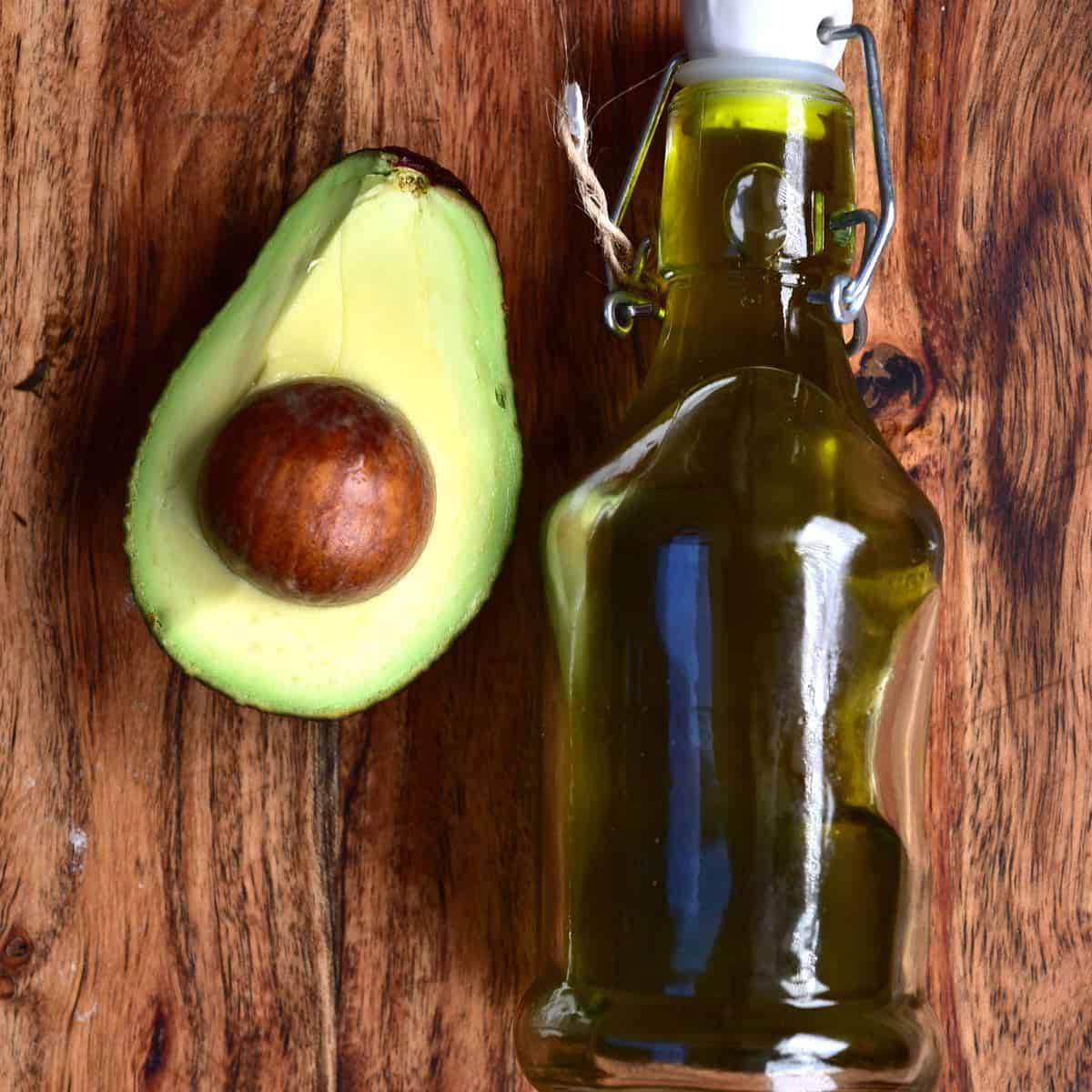
How to Make Extra Virgin Avocado Oil: A Cold Process Guide
Avocado oil has earned its reputation as "green gold" in kitchens and beauty routines worldwide, lauded for its rich flavor and numerous health benefits. While readily available in stores, the allure of crafting your own pure, unrefined extra virgin avocado oil at home offers an unparalleled level of satisfaction, control, and quality. This comprehensive guide will walk you through the fascinating cold process of extracting your own extra virgin avocado oil, transforming humble avocados into a versatile pantry staple without the need for sophisticated equipment or harsh chemicals. Discover the joy and benefits of making your own unadulterated avocado oil, perfect for cooking, skincare, and much more.Why Embark on the Journey of Homemade Avocado Oil?
The idea of making staples like avocado oil at home might raise an eyebrow for some, especially when commercial options are just a grocery trip away. However, the reasons to embrace this DIY endeavor are compelling and deeply rewarding:- Uncompromised Purity and Control: When you make your own avocado oil, you have absolute control over the ingredients and process. This means no unwanted additives, preservatives, fillers, or chemicals. You're guaranteed a product that is 100% pure avocado oil, retaining its natural nutrients and beneficial properties. This is a significant advantage over many mass-produced oils that might undergo extensive refining or contain blends. If your goal is to Craft Your Own Pure Avocado Oil: Avoid Additives, Enjoy Unrefined, then this method is for you.
- Sustainable and Waste-Reducing: Do you often find yourself with a few overly ripe avocados that are just past their prime for toast or guacamole? This homemade avocado oil method is the perfect solution! It provides an excellent way to Repurpose Overripe Avocados: DIY Extra Virgin Oil at Home, transforming what might otherwise be food waste into a valuable commodity. It's a fantastic step towards a more sustainable kitchen.
- Extra Virgin Goodness: Unlike refined avocado oils that often use high heat and chemical solvents, our cold process method ensures the oil retains its 'extra virgin' status. This means the oil's delicate flavor, vibrant color, and nutrient profile – including healthy fats, antioxidants, and vitamins – are preserved, offering superior benefits for both culinary and cosmetic applications.
- The Satisfaction of DIY: There's an undeniable pleasure in creating something valuable with your own hands. Seeing the transformation of avocados into a rich, pure oil is incredibly gratifying and connects you more deeply with the food you consume.
- Potential Cost Savings (with caveats): While it might not always be the most cost-effective DIY if you're buying avocados at premium prices, it can certainly be economical if you have access to discounted or abundant avocados, or if you consistently use up those nearly-spoiled ones. The true value lies in the quality and purity you achieve.
Gathering Your Green Gold: What You'll Need
Making your own extra virgin avocado oil is surprisingly accessible, requiring only a few simple ingredients and tools.Essential Ingredients:
- Ripe to Overripe Avocados: This is your star ingredient. The riper the avocado, the higher the oil content and the easier it is to mash. Don't be afraid to use those squishy, brown-flecked avocados – they're perfect for this! Aim for at least 5-10 avocados to get a decent yield for your first batch.
Tools of the Trade:
- Mashing Tool: A fork, potato masher, food processor, or blender. A smoother paste will lead to more even drying, so a machine often yields slightly better results.
- Parchment Paper: Crucial for preventing sticking and allowing easy removal of the dried paste.
- Baking Trays or Flat Surfaces: Multiple trays may be needed to spread the avocado paste thinly.
- Spatula: For spreading the paste evenly.
- Well-Ventilated Area or Dehydrator: For drying the avocado paste. If using a dehydrator, ensure it has temperature control.
- Cheesecloth or Fine Mesh Strainer Bag: Essential for squeezing out the oil. A nut milk bag also works wonderfully.
- Clean Glass Jar or Bottle: For storing your finished avocado oil. Dark glass is preferable to protect the oil from light.
The Cold Process: A Step-by-Step Guide on How to Make Avocado Oil Extra Virgin
The heart of this method lies in its "cold process" nature, which carefully extracts the oil without high heat, preserving its nutritional integrity. Here’s exactly how to make avocado oil extra virgin:Step 1: Preparing Your Avocado Pulp
Begin by cutting your ripe or overripe avocados in half, removing the pit, and scooping the flesh into a large bowl. Your goal is to transform this into a smooth, consistent paste. You can achieve this in several ways:
- Hand Mashing: For a more rustic approach, use a fork or potato masher. This requires a bit more effort but can be satisfying.
- Blender or Food Processor: For optimal results, a blender or food processor will create the smoothest, most uniform paste. A smoother paste dries more evenly, which can lead to a better oil yield.
Mash or blend until there are no large lumps, and the paste is as consistent as possible.
Step 2: Spreading for Success
Once your avocado paste is ready, line one or more baking trays with parchment paper. Using a spatula, spread the avocado paste onto the parchment paper in a very thin layer. The critical factor here is thickness – aim for less than 1/2 inch (about 1 cm). If your layer is too thick, it will take significantly longer to dry, and it risks uneven drying or even mold growth. Don't hesitate to use multiple trays if necessary to achieve the desired thinness.
Step 3: The Patience of Drying
This is arguably the most crucial step for maintaining the extra virgin quality of your oil, as it involves removing water without excessive heat. You have two primary options for drying:
- Natural Air Drying: Place your trays of avocado paste in a well-ventilated area, away from direct sunlight. Direct sunlight can degrade the oil over time, so a cool, shaded spot with good airflow is ideal. The drying time will vary significantly based on your local climate, humidity, and ventilation, ranging from a few days to over a week.
- Using a Dehydrator: To speed up the process, a dehydrator can be used. However, to ensure the oil remains "extra virgin," it is paramount to keep the temperature *below 40ºC (104ºF)*. Exceeding this temperature can begin to break down the delicate compounds in the oil, diminishing its quality and 'extra virgin' status.
Regardless of your chosen method, regular attention is key. Once you notice the top layer of the paste starting to significantly darken and brown, it’s time to intervene. Thoroughly mix the paste, breaking up any clumps, and then re-spread it thinly across the parchment paper. You'll need to repeat this process multiple times a day (ideally morning and evening) until the entire paste has transformed into a very dark brown color and has a slightly crumbly but still pliable texture. This frequent mixing ensures even drying and prevents spoilage.
Step 4: Extracting Your "Green Gold"
Once your avocado paste has reached that dark brown, thoroughly dried state, it’s ready for the final, most exciting step: oil extraction. This is where the magic happens, and your patience truly pays off.
- Prepare for Squeezing: Place a clean cheesecloth or a fine mesh strainer bag over a bowl or measuring cup.
- Transfer the Paste: Scoop the dried avocado paste into the cheesecloth or bag. You might need to do this in batches if you have a large quantity.
- Apply Pressure: Gather the edges of the cheesecloth/bag and begin to twist and squeeze with considerable force. You will see drops of green-golden oil start to emerge. Keep squeezing firmly and consistently.
- Repeat if Necessary: If you're using a thick cheesecloth or a very dense bag, you might need to empty the pulp, break it up further, and squeeze again to extract as much oil as possible.
The amount of oil you extract will depend on the ripeness of your avocados, how thoroughly they were dried, and the intensity of your squeezing. It might not be a huge volume from your first batch, but the quality and purity will be unmatched.
Tips for Maximizing Your Avocado Oil Yield and Quality
To ensure your homemade extra virgin avocado oil is the best it can be, keep these tips in mind:- Avocado Quality is Key: Start with truly ripe or even slightly overripe avocados. They have the highest oil content, making extraction more efficient.
- Smoothness Matters: The smoother your initial avocado paste, the more evenly it will dry, leading to better oil extraction. Invest a little extra time in mashing or blending.
- Consistency in Drying: Don't skip the step of mixing and re-spreading the paste during drying. This prevents mold and ensures all moisture is removed, which is vital for the oil's shelf life and quality.
- Store Properly: Once extracted, filter your oil through a clean cheesecloth again if there are any tiny pulp particles. Store your extra virgin avocado oil in a clean, airtight, dark glass bottle in a cool, dark place. This protects it from light and air, which can cause oxidation. Properly stored, it can last for several months.
- Uses Abound: Your homemade oil is incredibly versatile. Use it in salad dressings, for sautéing (it has a high smoke point), in marinades, or as a finishing oil. It's also fantastic for natural beauty recipes – as a moisturizer, hair mask, or carrier oil for essential oils.
- Troubleshooting Drying Issues: If your paste isn't drying, check your ventilation. Increase airflow or consider using a dehydrator at the low, specified temperature. Thick layers are the most common culprit for slow drying or mold.
